

By Will Case (Headlamp)
Monday, June 01, 2026
For nearly a decade, the Kubernetes Dashboard has served as the industry’s "front door." For thousands of developers, systems administrators, and students, it provided the first visual gateway into the complex, abstract world of container orchestration. It transformed the intimidating wall of text generated by kubectl into a navigable map of pods, deployments, and services.
However, as of June 2026, the Kubernetes Dashboard project has been officially archived. This transition marks more than just the end of a software lifecycle; it signals a maturation of the Kubernetes ecosystem. As the community bids farewell to a foundational tool, the spotlight shifts to modern, extensible alternatives—most notably Headlamp—that are designed to meet the demands of contemporary, multi-cluster, and cloud-native environments.
The Legacy of the Kubernetes Dashboard
The Kubernetes Dashboard was never merely a utility; it was an educational tool. By offering a simple, browser-based UI to inspect cluster resources, it democratized access to Kubernetes. It allowed users to gain confidence in their operational workflows without requiring total mastery of the command-line interface.
For years, it bridged the gap between platform engineers and application developers. It provided a visual validation of deployments, a quick way to inspect logs, and a standard, vendor-neutral interface that worked across nearly every distribution of Kubernetes. Its archiving is a testament to the fact that while its specific implementation is retiring, the necessity for such a "window" into the cluster has never been greater.
Mapping the Transition: Continuity and Evolution
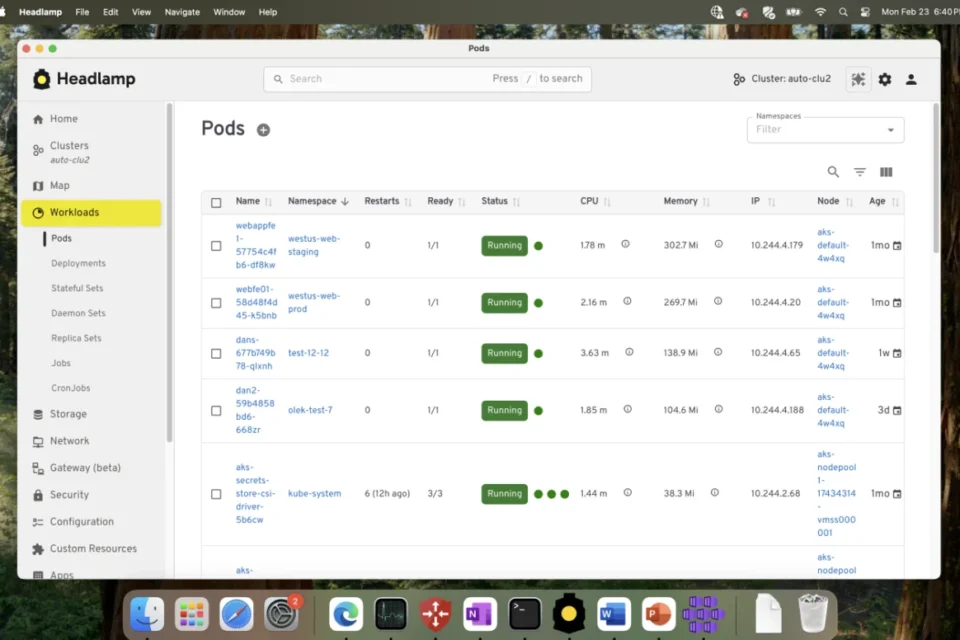
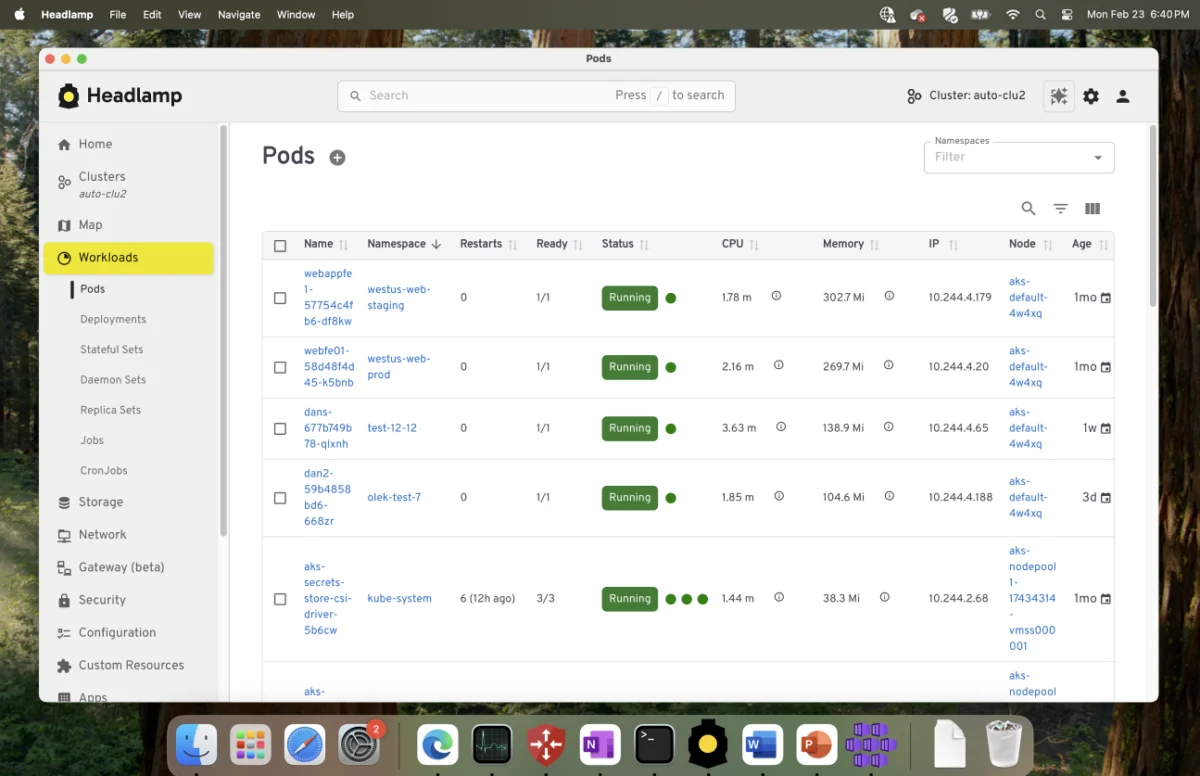
The transition from the legacy Dashboard to Headlamp is designed to be seamless. The primary objective is to maintain continuity—ensuring that the muscle memory and workflows developers have cultivated over the years remain functional while introducing new capabilities that reflect how Kubernetes is utilized in 2026.
Core Workflows Remain Intact
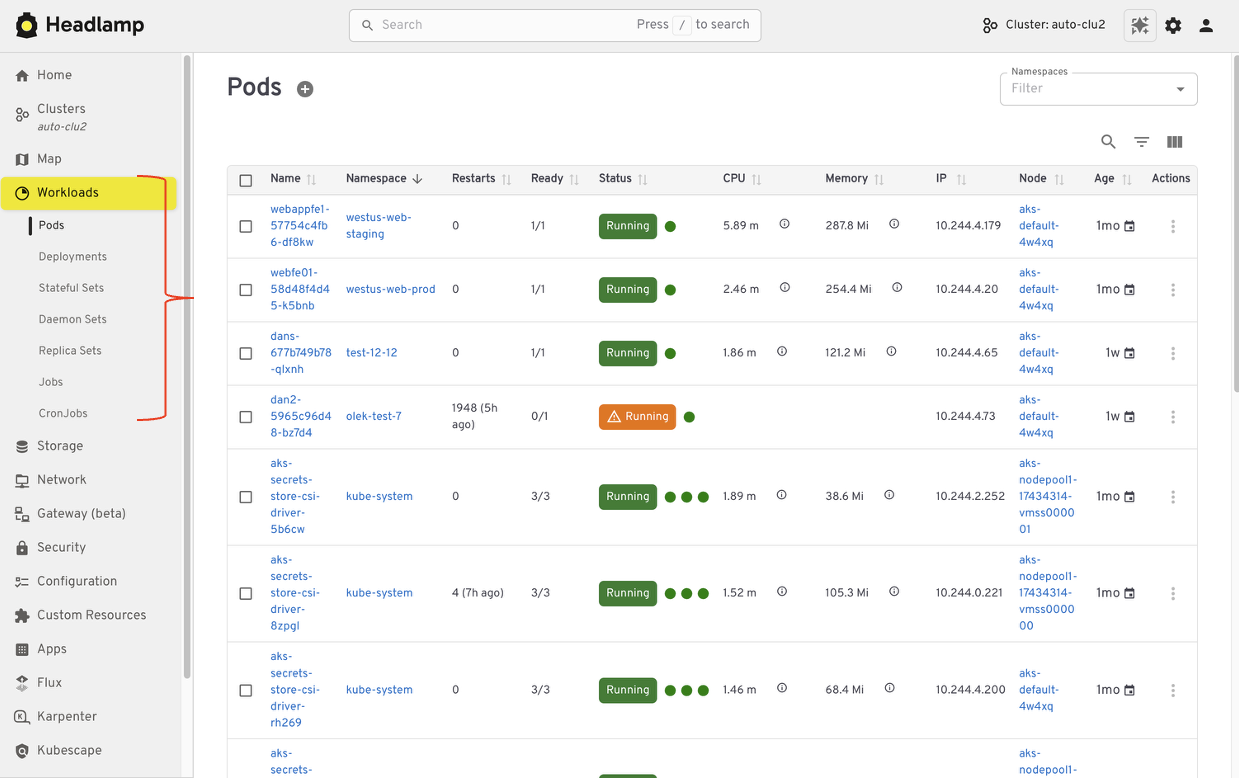
For users familiar with the original Dashboard, Headlamp will feel immediately intuitive. The hierarchy of navigation—moving from clusters to namespaces, and then down to specific workloads like Pods, Services, and Ingresses—remains largely unchanged.
- Resource Inspection: Users can continue to browse and filter resources exactly as they did before. The information architecture remains familiar, reducing the cognitive load of switching platforms.
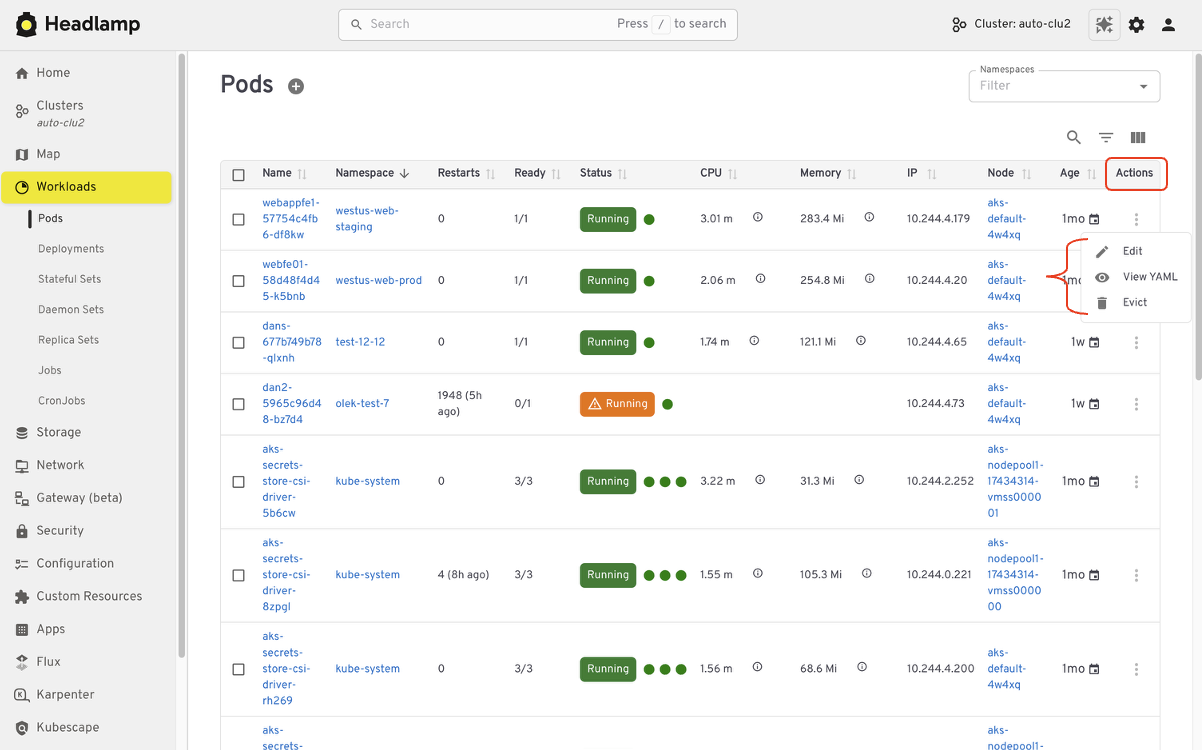
- Operational Control: Crucially, Headlamp respects the underlying Kubernetes Role-Based Access Control (RBAC). If a user’s permissions allowed them to scale a deployment or delete a pod in the old Dashboard, those same permissions are honored in Headlamp. The UI acts as a proxy for the user’s identity, ensuring security remains consistent throughout the transition.
Enhanced Visualization
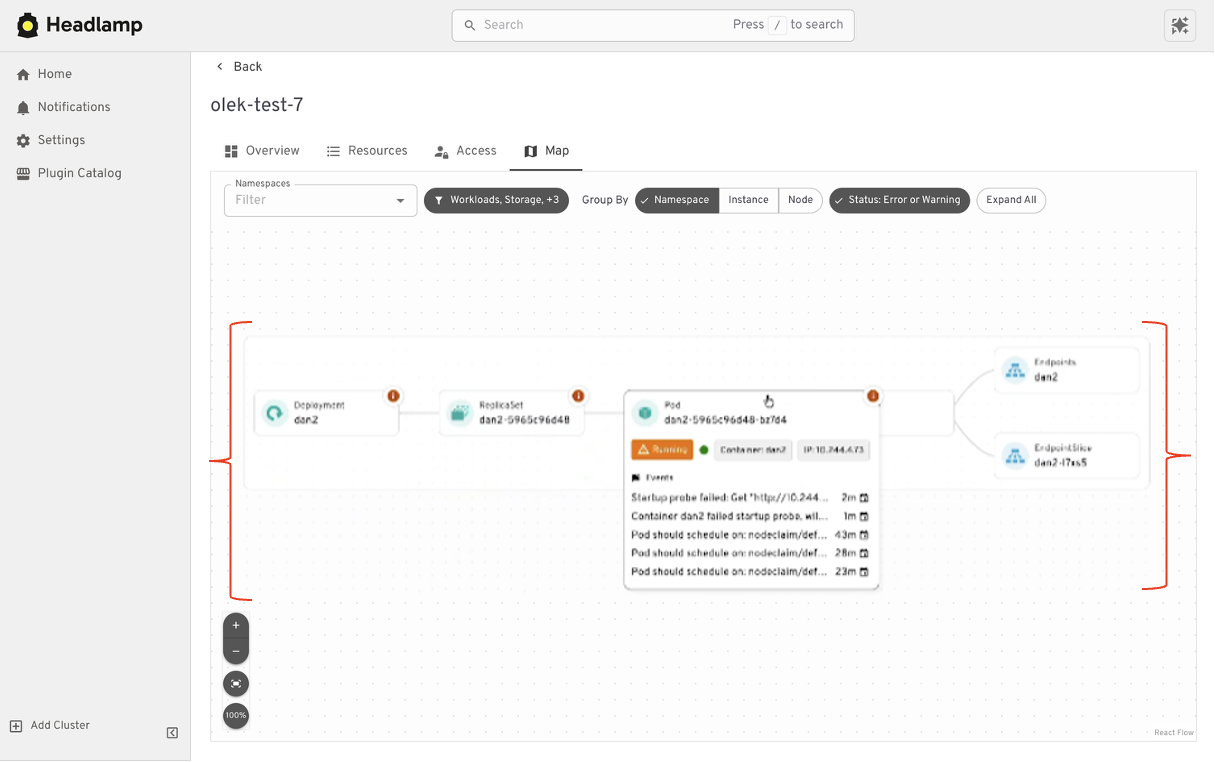
While the navigation remains familiar, the "viewing experience" has undergone a significant upgrade. Headlamp provides deeper context by visualizing the relationships between resources. Rather than looking at a static list of pods, users can see the dependencies between services, configurations, and workloads. This contextual mapping helps developers understand the "why" behind an application’s structure, rather than just the "what."
Where Headlamp Expands the Horizon
If the legacy Dashboard was a single-pane-of-glass for a single cluster, Headlamp is a command center for a modern, multi-cloud reality. The shift to Headlamp is driven by three primary pillars: multi-cluster management, application-centric views, and infinite extensibility through plugins.
1. Multi-Cluster Mastery
The modern enterprise rarely operates a single, isolated Kubernetes cluster. With the rise of edge computing, hybrid cloud, and regional deployments, managing dozens of clusters is the new norm. The legacy Dashboard struggled here, requiring users to switch contexts or maintain multiple browser tabs.
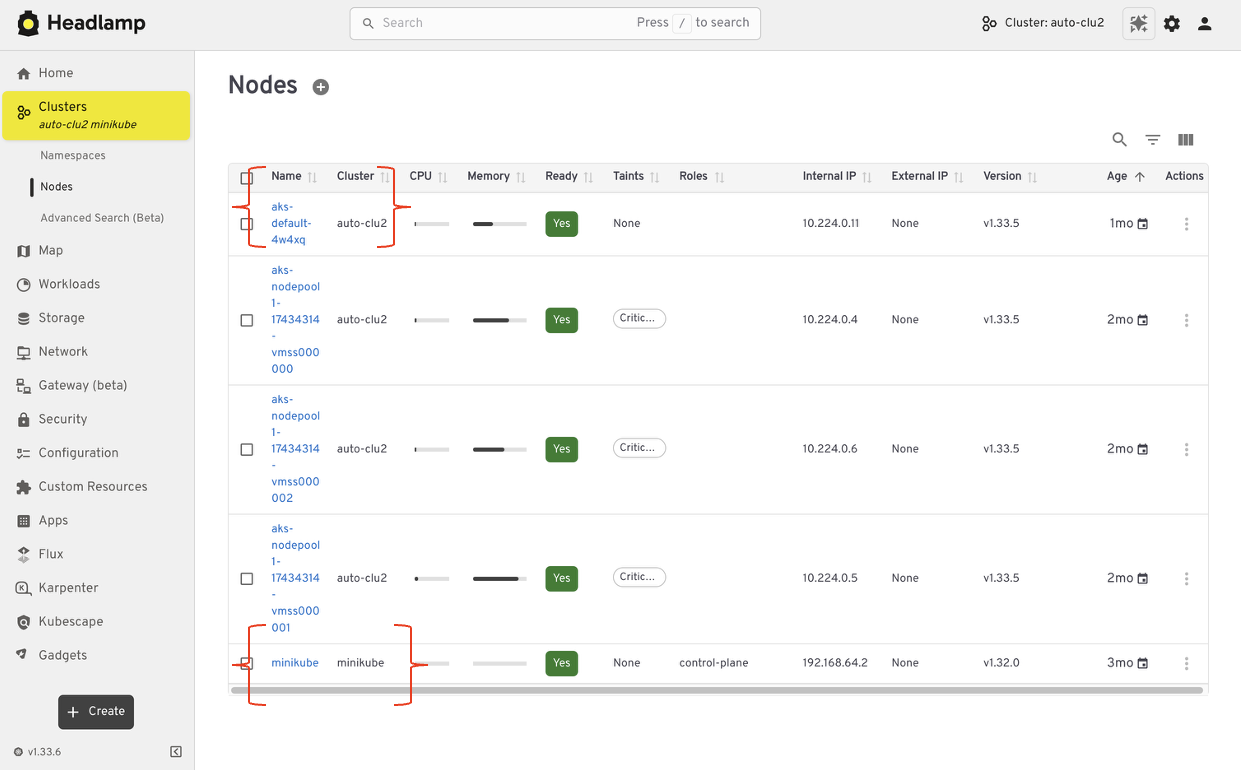
Headlamp eliminates this friction by allowing users to manage multiple clusters from a single, unified interface. This enables seamless navigation between development, staging, and production environments, allowing engineers to compare configurations or troubleshoot issues across clusters without losing their place.
2. Application-Centric Context with "Projects"
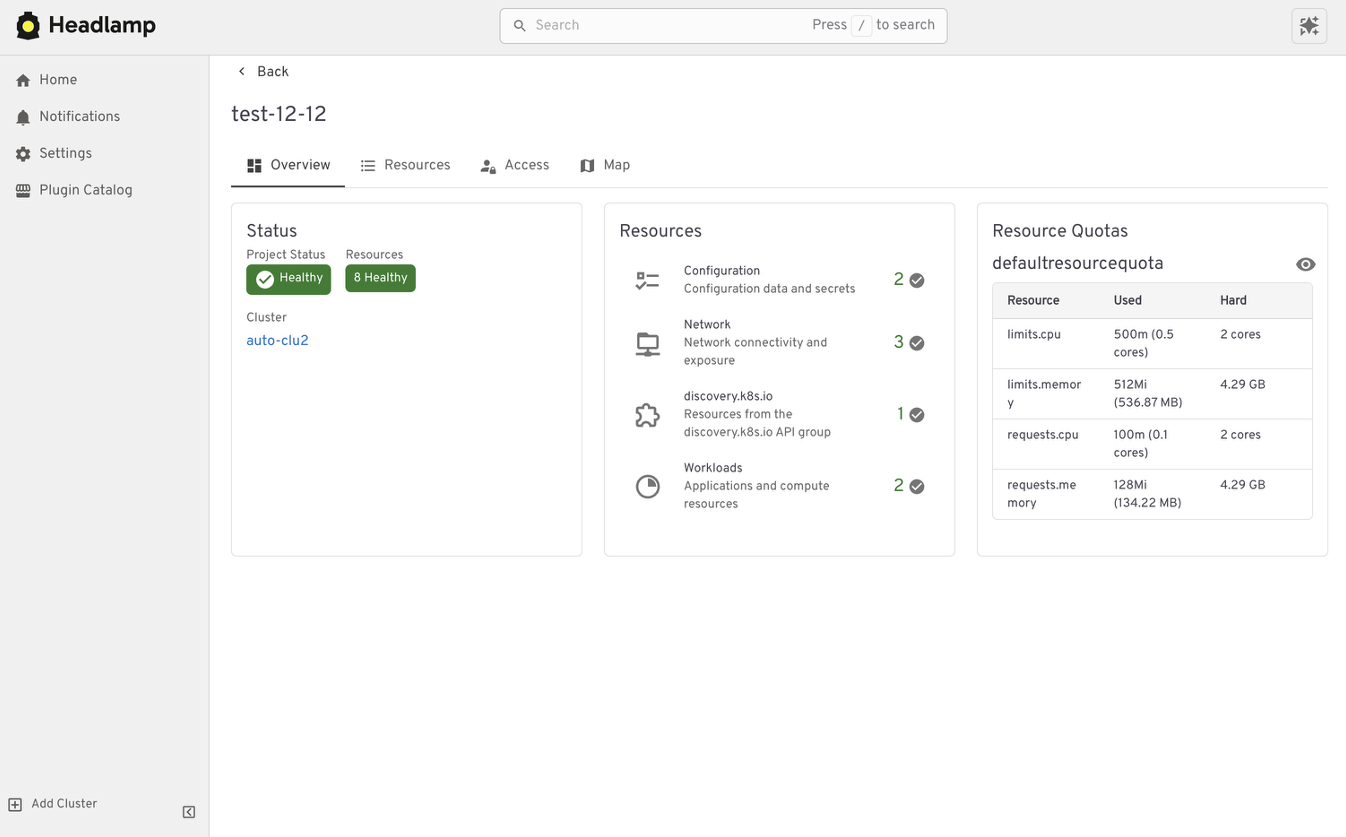
One of the most persistent complaints about the legacy Dashboard was its "resource-heavy" focus. It showed everything in the cluster as a list, which often obscured the actual application. Headlamp introduces the concept of Projects, which allows users to group related resources—pods, services, secrets, and config maps—into a single logical view.
By centering the UI around the application, rather than the cluster infrastructure, Headlamp drastically reduces the time spent "hunting" for related components. This abstraction is built on native Kubernetes primitives (labels and namespaces), ensuring that these groups remain portable and standard-compliant.
3. The Plugin Ecosystem
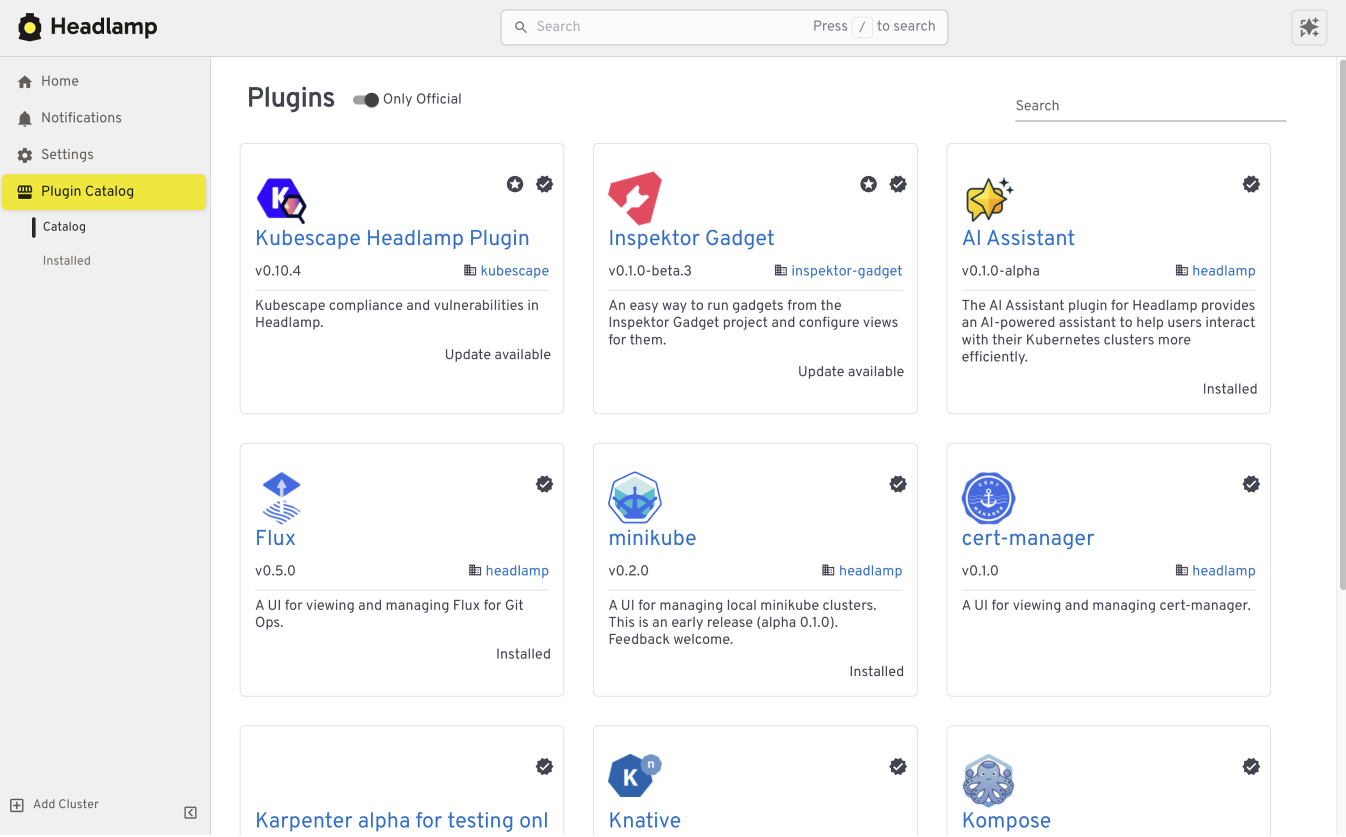
Perhaps the most significant departure from the legacy Dashboard is Headlamp’s extensibility. While the original Dashboard was a static feature set, Headlamp is a platform.
- GitOps Integration: Through plugins, such as the Flux integration, teams can now visualize their GitOps state alongside their cluster state. You can see how a change in a Git repository is being reconciled in the cluster, all within the same browser window.
- AI-Assisted Operations: Headlamp’s support for AI assistants brings a conversational, analytical layer to the UI. When a pod crashes or a deployment fails, the AI assistant can provide context, suggest fixes, or explain complex error logs, effectively acting as an on-call partner.
- Customization: Platform teams can build custom plugins to surface internal documentation, link to specific monitoring dashboards (like Grafana), or trigger custom CI/CD pipelines. This transforms Headlamp from a generic tool into an organization-specific portal.
Flexibility in Deployment
A common point of friction with Kubernetes tooling is the deployment model. Headlamp addresses this by offering a dual-mode approach:
- In-Cluster Deployment: For teams that require a shared, central point of access, Headlamp can be deployed directly into the cluster. It integrates with existing OIDC or RBAC providers, making it a natural part of the infrastructure stack.
- Desktop Application: For local development, the Headlamp desktop app provides a lightweight, performant way to manage clusters without adding overhead to the environment. Users simply point the app at their existing
kubeconfig, and they are ready to go.
This flexibility allows organizations to standardize on Headlamp at both the individual developer level and the platform operations level, creating a consistent experience for every team member.
Preparing for the Migration: A Strategic Approach
Migrating away from a legacy tool requires more than just installing new software; it requires a shift in mindset. Before transitioning, IT leaders and platform teams should consider the following steps:
- Audit Current Workflows: Document which features of the old Dashboard are critical to your team. Are they using it primarily for log inspection, manual scaling, or resource validation?
- Evaluate RBAC Configurations: Since Headlamp enforces RBAC strictly, ensure that your existing service accounts and user permissions are mapped correctly. This is the perfect time to review the Principle of Least Privilege.
- Identify Plugin Opportunities: Consider what manual processes your team performs outside of the dashboard. Could a plugin automate these tasks? Identifying these "gaps" is where Headlamp provides the most ROI.
- Phased Rollout: Utilize the desktop application for individual developers first to gather feedback, followed by an in-cluster deployment for shared environments.
Implications for the Ecosystem
The archiving of the Kubernetes Dashboard is a natural evolution. As Kubernetes matures, the tools surrounding it must evolve from passive monitoring displays to active management platforms.
By embracing tools like Headlamp, the community is moving toward a future where the interface is not a limitation, but an accelerator. The focus is shifting from "how do I see my pods" to "how do I manage my applications across the global infrastructure."
As we look toward the remainder of 2026 and beyond, the legacy of the original Dashboard remains secure. It taught a generation of engineers how to interact with the cloud-native world. Now, Headlamp is prepared to help that same generation scale their operations to meet the complexities of the next decade.
For more information on getting started, migration documentation, and plugin development, visit headlamp.dev.